
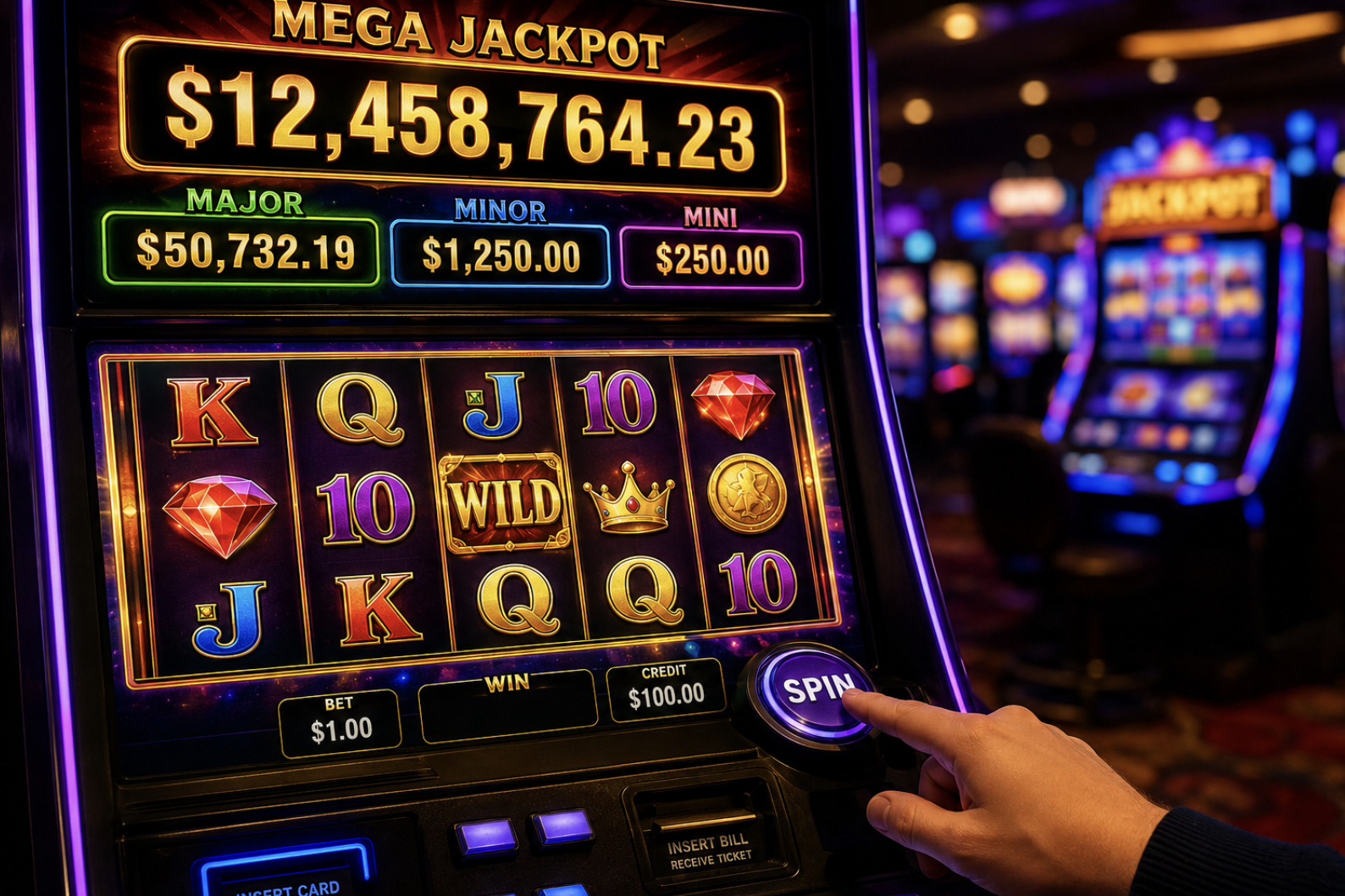
A progressive jackpot is the reason a single slot spin can occasionally pay out a life-changing sum from a tiny stake. Unlike a fixed jackpot, which pays the same amount every time it is hit, a progressive grows continuously until someone wins it, sometimes swelling to enormous figures that make headlines. That possibility — a small bet with a remote shot at a fortune — is the entire appeal, and it draws millions of players to progressive games. But behind the dazzling numbers is a straightforward and rather elegant mechanism, along with some important realities that every player chasing one ought to understand. This guide explains both the how and the honest what-to-expect.
What makes a jackpot "progressive"
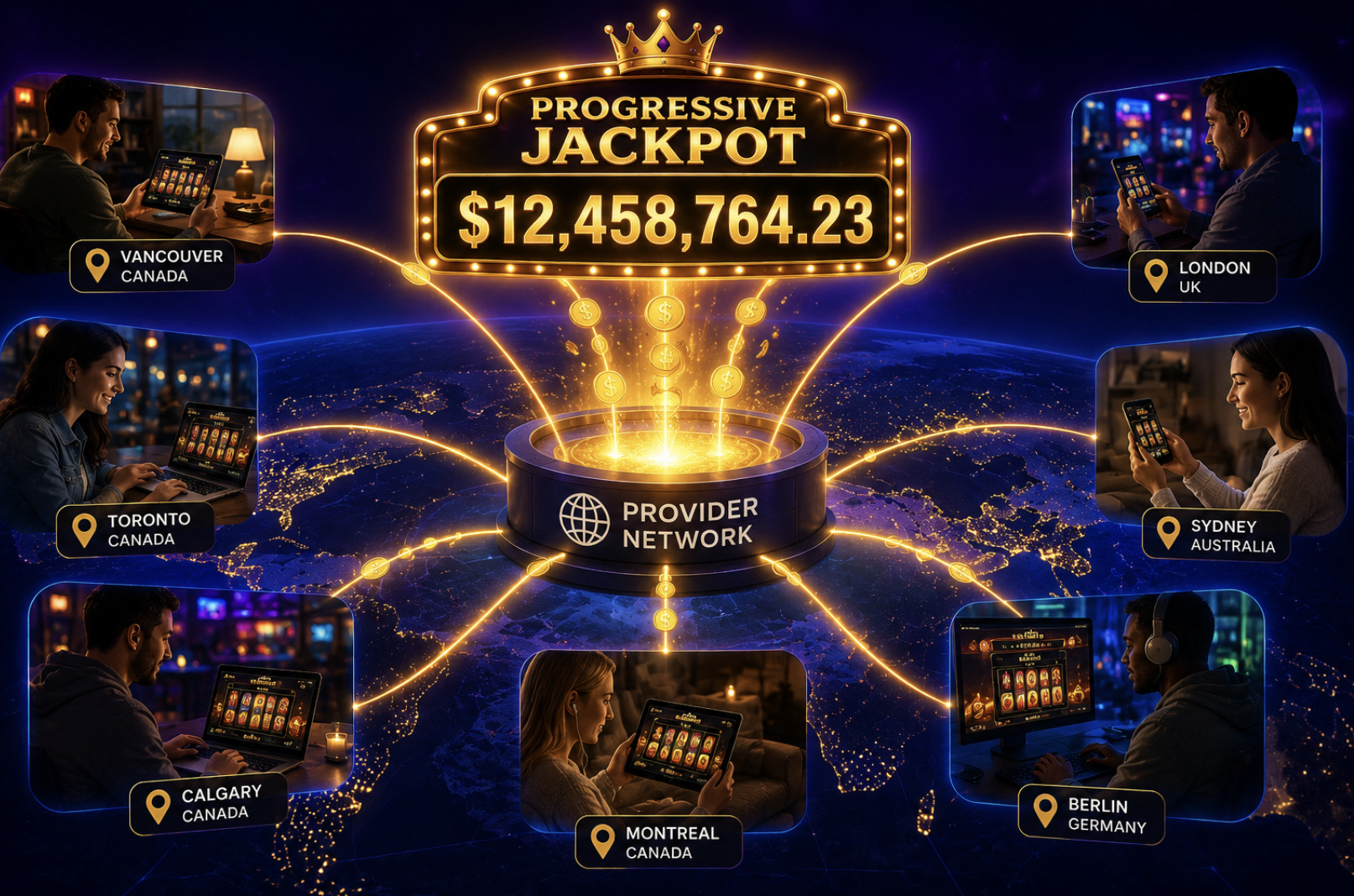
The defining feature of a progressive jackpot is, simply, that it grows. Every time a player places a qualifying bet on the game, a small portion of that stake is siphoned off and added to a central jackpot pool. Because a vast number of players are contributing continuously, the pool climbs steadily, and it keeps climbing until one lucky player triggers the win and takes the entire amount. At that point the jackpot resets to a predetermined base value and begins growing all over again. This simple idea — a slice of many, many bets accumulating into one giant prize — is what allows a progressive to reach a size that no single game could ever pay from its own individual stakes. The jackpot is funded not by the machine you are playing but by the collective play of everyone contributing to the same pool.
Standalone, local and networked jackpots
Not all progressives are the same size, and the reason lies in the size of the pool feeding them. There are three broad types:
Standalone progressives grow only from bets placed on that one specific game or machine. Because the pool is fed by a single source, it climbs relatively slowly and pays smaller sums.
Local progressives link several games within a single casino, pooling their contributions into a larger shared jackpot that grows faster and pays more.
Networked (wide-area) progressives are the giants. They link games across many different casinos, often all running the same provider's game, so contributions from an enormous number of players across many sites feed a single, shared pool.
This networked structure is how the largest and most famous progressive jackpots reach their spectacular heights — the prize is fed by players everywhere at once, so it can grow far beyond anything a single venue could sustain. Reputable operators connect into these provider-run networks so their players can contribute to and compete for the shared prize; platforms such as vipluck.ca among the regulated Canadian sites are the kind that plug into these networks rather than offering only small, standalone pools.
How the jackpot is actually won
How a progressive is triggered varies from game to game, and knowing the mechanism for the specific game you are playing matters. Some award the jackpot through a particular rare combination on the reels. Others hand it out inside a special bonus round. Still others use a random mechanism that can, in principle, hit on any spin, regardless of the visible result. A critical detail that catches many players out is that a large number of progressives require a maximum or otherwise qualifying bet to be eligible for the top prize. Play below that level, and you may not be in the running for the full jackpot even if you trigger the feature that awards it. Anyone genuinely chasing a progressive should read the game's rules to learn exactly how the jackpot is won and what bet qualifies, because assuming eligibility without checking is a genuinely costly mistake.
The odds, told honestly
The appeal of a progressive is obvious and powerful: a small stake carrying the remote possibility of an enormous return. The reality deserves equal honesty. The odds of winning a large networked progressive are very long indeed — and they have to be, precisely because the prize is so large and funded by so many players. That long shot is the very thing that makes the giant jackpot possible in the first place; the two cannot be separated. Treating a progressive as a realistic income strategy is a misunderstanding of how it works. It is far closer in spirit to a lottery ticket than to a game you can expect to profit from, and viewing it that way keeps expectations grounded.
The effect on the base game
There is also a subtler point worth understanding. Because a portion of every bet is diverted to feed the jackpot rather than into the game's standard payouts, the return to player of the base game on a progressive slot can be a little lower than that of a comparable non-progressive slot. In effect, you are trading away some of your everyday return for a shot at the big prize. This is a completely legitimate trade — the enormous top prize is exactly what you are buying with that slightly reduced base return — but it should be a knowing choice rather than a hidden cost. A player who understands this can decide clearly whether the dream of the jackpot is worth the trade for them.
Playing progressives sensibly
Progressives are best approached as entertainment with a lottery-like upside, not as a plan for making money. If the appeal for you is the thrill of a possible life-changing win, a few sensible habits keep it enjoyable. Check the qualifying bet so that you are genuinely eligible for the top prize rather than unknowingly excluded. Accept that the odds are long and treat any stake as money spent on entertainment. And above all, set a budget you are comfortable losing, applying the same discipline you would to any gambling — arguably more so, since chasing a jackpot can tempt a player to keep going well past their intended limit. Played this way, a progressive offers a distinctive kind of excitement: the knowledge that any spin could, however improbably, be the one. Played without that discipline, chasing the jackpot is a fast way for a budget to disappear.
The types of progressive games you'll come across
While slots are the classic home of progressive jackpots, they are not the only one, and the way jackpots are structured varies more than many players realise. Some table games and certain side bets carry their own progressive prizes, funded the same way — a small contribution from each qualifying bet feeding a growing pool. Within slots themselves, a single game often carries not one jackpot but several tiers, commonly labelled something like mini, minor, major and grand. The smaller tiers hit relatively frequently and pay modest sums, while the grand tier is the rare, headline prize. This tiered design keeps the game engaging by delivering occasional smaller jackpot wins on the way to the enormous, rare one.
Understanding that a game may have multiple jackpot tiers is genuinely useful, because it reframes what "winning the jackpot" means. Landing a mini or minor jackpot is far more achievable than the grand, and knowing which tier you are realistically playing for keeps expectations honest. When you open a progressive game, it is worth glancing at how many jackpot levels it offers and how they are triggered, so you understand the full picture rather than fixating only on the top number that draws the eye.
Progressive jackpots versus fixed jackpots
It is worth drawing a clear line between the two kinds of jackpot, because they offer very different experiences. A fixed jackpot pays a set amount every time it is won — the prize does not grow, and it is funded by the game's own design rather than by a shared pool. Fixed jackpots tend to be smaller but are hit more often, and the game's return is not diluted by feeding an external pool. A progressive jackpot, by contrast, grows continuously and can reach vastly larger sums, but is won far more rarely, and a slice of every bet goes toward building the prize rather than into regular payouts.
Neither is better in the abstract; they suit different appetites. A player who wants a realistic shot at a solid, if unspectacular, win may prefer a fixed jackpot, while a player drawn to the dream of a life-changing sum, and content with very long odds, is the natural audience for a progressive. Knowing which type a game offers, and what that implies for both the size and the likelihood of a jackpot win, lets you choose in line with what you actually want from the session rather than being dazzled by a big number alone.
Where the big-jackpot appeal comes from
It is worth reflecting, finally, on why progressive jackpots hold such a grip on the imagination. The appeal is fundamentally the same as that of a lottery: for a small, affordable stake, you buy a brush with the possibility of a transformed life. That dream is powerful and universal, and it is precisely what the enormous, well-publicised networked jackpots are built to offer. The headline figures are large by design, because the size of the prize is what makes the dream feel real, and the rare, celebrated wins reinforce the sense that it could, however improbably, happen to anyone.
Seeing this clearly is part of playing progressives well. The dream is genuine and the games are legitimate, but the appeal is emotional rather than mathematical, and the odds are long precisely because the prize is so large. Enjoyed as a small piece of entertainment with a lottery-like upside, a progressive is a perfectly reasonable and exciting thing to play. Mistaken for a realistic path to riches, it becomes a way to spend more than intended. The healthiest players are the ones who feel the pull of the dream while keeping both feet on the ground about what it really is.
A final word on chasing jackpots
If there is one thing to carry away, it is that a progressive jackpot is entertainment first and a financial prospect a very distant second. The mechanism that builds the prize — a fraction of countless bets pooling into one enormous sum — is genuinely elegant, and the excitement of knowing any spin could trigger it is real. But the same mechanism guarantees that the odds are long and that the base game gives up a little return to fund the pool. Both facts are simply how the product works, not flaws to be outsmarted.
So enjoy progressives for what they are: a thrilling, lottery-like flutter with a dream attached. Check the qualifying bet so you are actually eligible, understand the tier you are realistically playing for, and above all set a budget you are comfortable losing and stick to it. Do that, and a progressive jackpot game is a perfectly reasonable slice of entertainment. Approach it as a plan to get rich, and it becomes the opposite. The dream is part of the fun — as long as it stays a dream you can afford.
Frequently asked questions
How do progressive jackpots grow? A small portion of every qualifying bet is added to a central jackpot pool. Because many players contribute continuously, the pool grows until someone wins it, at which point it resets to a base value and begins growing again.
Why are some progressive jackpots so much larger than others? Networked, or wide-area, progressives link games across many casinos, so a vast number of players feed a single pool. That shared contribution lets them reach far higher sums than local or standalone jackpots.
Do I have to bet maximum to win a progressive? Often, yes. Many progressives require a maximum or qualifying bet to be eligible for the top prize. Always check the game's rules, because betting below that level can exclude you from the full jackpot.
Are the odds of winning a progressive good? No — the odds of a large networked progressive are very long, which is precisely what allows the prize to grow so large. A progressive is closer to a lottery ticket than to a game you can expect to profit from.
Does a progressive slot have a lower RTP? The base game's return can be slightly lower than a comparable non-progressive slot, because part of every bet feeds the jackpot instead of standard payouts. You are trading some everyday return for a shot at the big prize.